
The Origins and Symbolism of Wreaths: A Journey Through Time |
Exploring the historical roots and evolving meanings of wreaths across cultures |
 |
Wreaths have adorned human history for centuries, serving as symbols of honor, celebration, and remembrance.
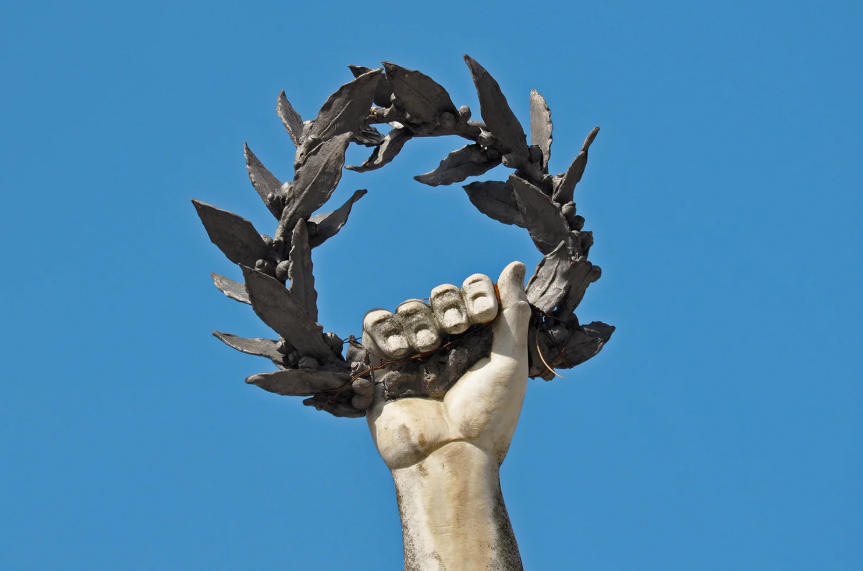
In ancient Greece, athletes victorious in the Olympic Games were crowned with wreaths made of olive, pine, laurel, celery, or palm, signifying their achievements.
Similarly, Romans bestowed laurel crowns upon civil officials and returning warriors as marks of honor.
These practices highlight the wreath's early association with victory and status.
Beyond accolades, wreaths held spiritual significance.
Pre-Christian Europeans crafted evergreen wreaths adorned with lit candles during winter, serving as beacons of hope for the coming spring.
This tradition evolved into the Advent wreath in Christianity, symbolizing the anticipation of Christ's birth.
In Poland, the harvest festival Dożynki features wreaths made from harvested grain plants, fruit, and nuts, representing a rich harvest and the prospect of wealth.
These wreaths are often blessed and play a central role in the festival's celebrations.
In Ukraine, the vinok, a traditional flower wreath, is worn by girls and unmarried women during festive occasions and holy days.
This practice dates back to pre-Christian times and symbolizes purity and the transition into womanhood.
In modern times, wreaths have become versatile symbols.
During Christmas, evergreen wreaths adorned with holly and berries decorate homes, symbolizing resilience and eternal life.
Funeral wreaths, often circular, represent the unending cycle of life and serve as expressions of sympathy and remembrance.
From ancient laurels to contemporary holiday decorations, wreaths continue to embody a rich tapestry of meanings, reflecting cultural values and traditions across the globe. |